
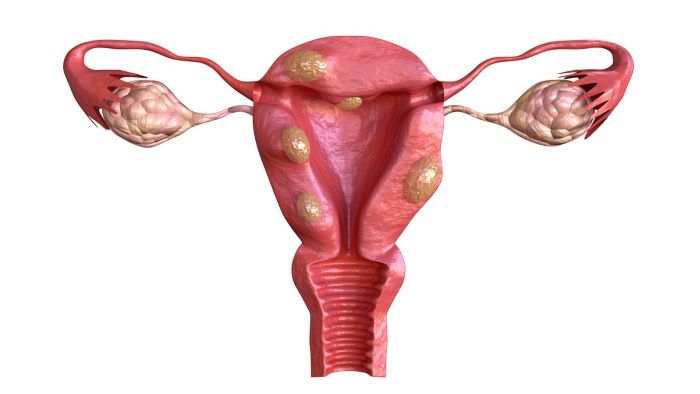
Uterine fibroids, also known as uterine leiomyomas, are common non‑cancerous growths that develop in or around the uterus. They vary in size, number and location, and while some cause no symptoms, others can lead to heavy menstrual bleeding, pelvic pain, pressure symptoms and fertility‑related concerns.
Understanding uterine fibroid symptoms, causes, number and location, and while some cause no symptoms, others can lead to heavy menstrual bleeding, pelvic pain, pressure symptoms and fertility‑related concerns.
Understanding uterine fibroid symptoms, causes and available treatment options is essential for making informed healthcare decisions—whether fibroids are discovered during routine examinations or after symptoms begin to affect daily life.
Pharmington is a UK‑based healthcare company focused on bridging scientific research and practical care, supporting evidence‑based approaches to unmet needs in areas such as uterine fibroids and women’s health.
What Are Uterine Fibroids?
Uterine fibroids, also known as uterine leiomyomas, are non‑cancerous (benign) growths that develop in or around the uterus (womb). They are made of muscle and fibrous tissue and can vary greatly in size, number and location.
Common types of uterine fibroids include:
- Intramural fibroids – grow within the muscular wall of the uterus
- Submucosal fibroids – grow into the inner cavity of the uterus
- Subserosal fibroids – grow on the outer surface of the uterus
- Pedunculated fibroids – attached to the uterus by a thin stalk
Fibroids are very common, especially in women and people assigned female at birth aged 30–50. In many cases, fibroids cause no symptoms and are found incidentally during routine pelvic examinations or ultrasound scans.
Uterine Fibroid Symptoms: What to Look Out For
Not everyone with fibroids has symptoms. However, when uterine fibroid symptoms do occur, they can significantly affect quality of life.
Typical symptoms of uterine fibroids include:
- Heavy or prolonged periods (heavy menstrual bleeding)
- Bleeding between periods
- Pelvic pain or pressure
- Lower back pain
- Painful periods (dysmenorrhoea)
- Frequent urination or difficulty fully emptying the bladder
- Constipation or bowel discomfort
- Pain during sex (dyspareunia)
- A feeling of bloating, fullness or a “mass” in the lower abdomen
In some cases, fibroids can lead to:
- Anaemia due to heavy bleeding
- Difficulties with fertility or pregnancy (depending on size and location)
If you recognise any of these uterine fibroid symptoms, it is important to speak to a healthcare professional for assessment, diagnosis and appropriate management.
Causes & Risk Factors for Uterine Fibroids
The exact cause of uterine fibroids is not fully understood, but several factors are known to increase risk:
- Hormones – Oestrogen and progesterone appear to promote fibroid growth
- Age – Most common between ages 30 and 50
- Family history – Having a close relative with fibroids increases your risk
- Ethnicity – Fibroids are more common and often more severe in some ethnic groups
- Weight – Being overweight or obese is linked to higher fibroid risk
- Lifestyle & reproductive factors – Early onset of periods, having no children and certain lifestyle factors may also play a role
Fibroids tend to shrink after menopause as hormone levels fall.
How Are Uterine Fibroids Diagnosed?
Most uterine fibroids can be diagnosed using a combination of:
- Medical history & symptom review – Discussing bleeding, pain and pressure symptoms
- Pelvic examination – Feeling for an enlarged or irregular uterus
- Ultrasound scan (transvaginal or transabdominal) – The most common imaging test for fibroids
- In selected cases:
- MRI scan – for detailed mapping of fibroid size and location
- Hysteroscopy – a thin telescope passed into the womb to inspect and sometimes treat submucosal fibroids
- Other tests – such as blood tests to check for anaemia
At Pharmington, our focus is on supporting clinicians with access to evidence‑based diagnostic pathways and tools, helping ensure that uterine fibroids are accurately identified and appropriately monitored.
Uterine Fibroids and Pregnancy
Many people with fibroids have normal pregnancies. However, some fibroids can affect:
- Fertility – particularly submucosal fibroids that distort the uterine cavity
- Implantation and miscarriage risk
- The course of pregnancy – e.g. pain, bleeding, or changes in baby’s position
- Labour and delivery – sometimes increasing the likelihood of caesarean birth
If you are planning a pregnancy or are already pregnant and have been diagnosed with fibroids, specialist advice from a gynaecologist is essential. The treatment plan will balance fibroid management with protecting fertility and pregnancy outcomes.
Treatment for Uterine Fibroids
There is no single “best” treatment for uterine fibroids. Management depends on:
- Your symptoms and how much they affect daily life
- Size, number and location of the fibroids
- Your age and general health
- Whether you want to have children in the future
- Your personal preferences
In some cases, if fibroids are small and not causing symptoms, no active treatment is needed – your clinician may suggest watchful waiting with regular monitoring.
Medical Management (Non‑surgical)
Non‑surgical options can control symptoms such as heavy bleeding and pain:
- Pain relief – Over‑the‑counter painkillers (e.g. ibuprofen, paracetamol)
- Hormonal contraception – Combined pills, progestogen‑only pills, injections or hormonal IUDs to help regulate periods and reduce bleeding
- Tranexamic acid – Taken during periods to reduce blood loss
- Non‑steroidal anti‑inflammatory drugs (NSAIDs) – For pain and to reduce bleeding
- GnRH agonists and other hormonal therapies – To temporarily shrink fibroids and control symptoms (often used before surgery)
Your clinician will discuss benefits, side effects and suitability based on your medical history.
Fibroid Surgery & Minimally Invasive Procedures
For moderate to severe symptoms, or when medical treatment is not effective, several procedural and surgical options are available:
Myomectomy (Fibroid Removal, Uterus Preserving)
Myomectomy removes fibroids while preserving the uterus, which can be important for fertility:
- Hysteroscopic myomectomy – For submucosal fibroids inside the uterine cavity
- Laparoscopic (keyhole) myomectomy – For fibroids on or within the uterus, using small abdominal incisions
- Abdominal (open) myomectomy – For very large or numerous fibroids
Hysterectomy (Removal of the Uterus)
Hysterectomy is the only treatment that completely removes fibroids and prevents them returning. It may be recommended if:
- Fibroids are very large
- Bleeding is severe and persistent
- Other treatments have failed
- You do not wish to have children in the future
Hysterectomy can be performed via vaginal, laparoscopic or abdominal approaches, depending on individual factors.
Uterine Fibroid Embolisation (UFE / UAE)
Uterine fibroid embolisation (also known as uterine artery embolisation) is a minimally invasive radiological procedure. A specialist inserts a thin catheter into the uterine arteries and injects tiny particles to block the blood supply to the fibroids, causing them to shrink over time.
UFE can be an alternative to surgery for some patients, particularly those who want to avoid major surgery but are not planning future pregnancies.
Other Options
In selected cases, other options may be discussed, such as:
- MRI‑guided focused ultrasound – Using high‑intensity ultrasound waves to destroy fibroid tissue
- Endometrial ablation – To reduce heavy bleeding (not primarily for fibroid removal and not suitable for those planning pregnancy)
At Pharmington, we do not replace the advice of your GP or consultant gynaecologist. Instead, we collaborate with healthcare providers and innovators to support evidence‑based fibroid care, from novel therapies to patient education tools.
Potential Complications of Uterine Fibroids
While uterine fibroids are benign, they can sometimes lead to complications such as:
- Severe anaemia from heavy periods
- Ongoing pelvic pain or pressure
- Urinary and bowel problems
- Impact on fertility or pregnancy
- Rarely, rapid growth or degenerative changes that require urgent assessment
Sudden severe pelvic pain, very heavy bleeding, dizziness, or symptoms that worsen quickly should always be assessed by a healthcare professional.
When to See a Doctor
You should contact your GP or a gynaecology specialist if you experience:
- Heavy periods soaking through pads or tampons
- Bleeding between periods or after sex
- Persistent pelvic pain or pressure
- Difficulty emptying your bladder or severe constipation
- Trouble getting pregnant or repeated pregnancy loss
Early assessment can help confirm whether uterine fibroids are the cause and allow timely treatment.
How Pharmington Supports Better Fibroid Care
Pharmington is a UK‑based healthcare company specialising in innovative formulations and devices designed to address unmet needs in women’s health and beyond. In the area of uterine fibroids, we:
- Support clinicians with up‑to‑date, evidence‑based information on fibroid diagnosis and management
- Collaborate with partners to explore new therapeutic approaches and care pathways
- Develop tools that help bridge the gap between scientific research and practical, patient‑centred care
By working closely with healthcare professionals across London and the wider UK, Pharmington helps ensure that people living with uterine fibroids have access to safe, informed and effective management options.
If you are experiencing symptoms that may be related to uterine fibroids, or you are a healthcare provider looking for evidence‑based resources and innovative solutions:
- Speak to your GP or consultant gynaecologist about appropriate diagnosis and treatment
- Contact Pharmington to learn more about our work in women’s health, new formulations and devices for unmet needs, and how we support high‑quality fibroid care across the UK
Pharmington – bridging the gap between scientific research and real‑world uterine fibroid care.
Conclusion
Uterine fibroids (uterine leiomyomas) are common benign growths of the uterus that can cause heavy bleeding, pelvic pain, pressure symptoms and sometimes fertility or pregnancy issues. Effective management starts with clear understanding: recognising uterine fibroid symptoms, confirming the diagnosis, and choosing the right treatment – from watchful waiting and medication to myomectomy, hysterectomy or uterine fibroid embolisation.
By combining scientific insight with practical solutions, Pharmington supports patients and clinicians throughout the UK to navigate fibroid care with confidence, safety and up‑to‑date information.
FAQ
1) What are uterine fibroids?
Uterine fibroids, or uterine leiomyomas, are non‑cancerous growths that develop in or around the womb. They can vary in size, number and location, and sometimes cause heavy periods, pain or pressure symptoms.
2) What are the most common uterine fibroid symptoms?
Common symptoms include heavy or prolonged periods, pelvic pain or pressure, lower back pain, frequent urination and discomfort during sex. Some people have no symptoms and their fibroids are only found during routine scans.
3) How are uterine fibroids treated?
Treatment depends on your symptoms, fibroid size and future pregnancy plans. Options range from medicines to control bleeding and pain, through myomectomy and uterine fibroid embolisation, to hysterectomy in more severe cases.
4) Can uterine fibroids affect pregnancy or fertility?
Some fibroids, especially those that change the shape of the uterine cavity, can affect implantation, fertility or pregnancy outcomes. Specialist assessment is essential to plan the safest approach for you and your baby.