
Non hormonal fibroid treatment includes any therapy that alleviates symptoms or limits progression of fibroids without manipulating systemic hormones. Many women choose this route either because hormonal methods are unsuitable or because they prefer evidence‑based, uterus‑preserving solutions.
Uterine fibroids—benign tumors of smooth muscle cells—are influenced by genetics, hormonal activity, oxidative stress, and inflammation. However, symptom management isn’t only about hormone suppression. Innovative medical and procedural options can work by modifying blood supply, modulating local inflammatory responses, and improving uterine circulation—all without affecting the endocrine axis.
With enhanced imaging techniques and a broader understanding of fibroid biology, modern medicine is moving toward individualized, non‑hormonal pathways that align with each woman’s reproductive and metabolic profile.
How Non‑Hormonal Treatments Work
Whereas traditional hormonal treatments (like GnRH analogues) reduce estrogen levels temporarily, non‑hormonal therapies act on three main physiological pathways:
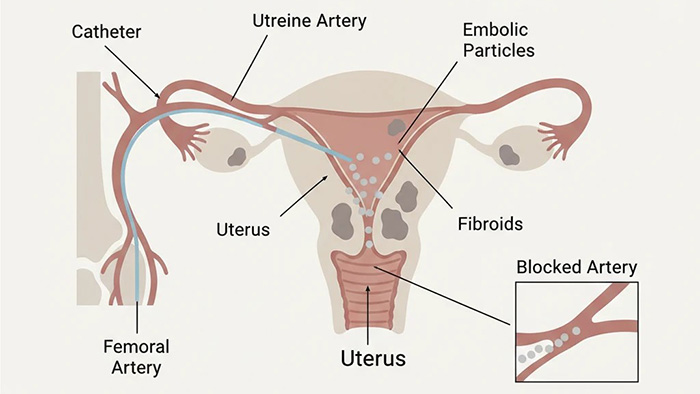
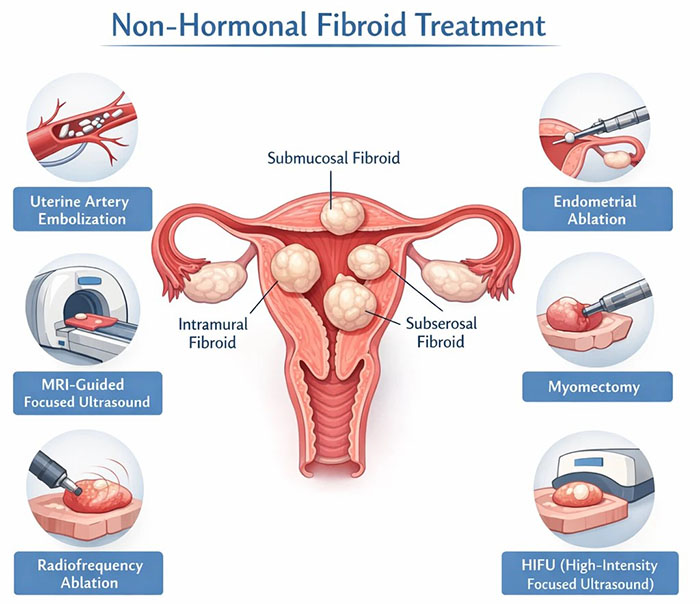
- Vascular modulation – Procedures like uterine artery embolization (UAE) cut off the fibroid’s blood source, causing gradual cell death without systemic hormonal change.
- Hemostatic regulation – Medications such as tranexamic acid stabilize blood clots and regulate menstrual bleeding intensity.
- Anti‑inflammatory & antioxidant mechanisms – Nutritional and botanical strategies aim to regulate oxidative stress, an important factor discussed extensively in estrogen metabolism uterine fibroids research clusters.
These distinct targets give physicians and patients more flexibility, especially when fertility preservation matters or when hormone therapy is contraindicated.
Why Women Seek Non Hormonal Options
Many hormonal therapies induce a temporary menopause‑like state, helpful for symptom control but possibly uncomfortable long term.
Side effects such as hot flashes, mood instability, libido loss, or bone density decline can diminish quality of life. In comparison, non‑hormonal treatments maintain physiological cycles and minimize systemic risks.
Choosing a non‑hormonal path also supports ongoing lifestyle interventions—diet, stress regulation, micronutrient balance—that reinforce uterine resilience. For perimenopausal women, these options can bridge the gap naturally until fibroids tend to regress with declining estrogen.
Medical Non Hormonal Treatment Options
Tranexamic Acid: Controlling Bleeding Effectively
Tranexamic acid is considered the first‑line medication for heavy menstrual bleeding. Clinical trials have shown up to 50% reduction in menstrual volume with regular use. It is taken only during menstruation, making it a convenient, cycle‑specific therapy.
Patients especially value that it does not interfere with ovulation or hormones, helping maintain fertility. When combined with iron supplementation, it can also reduce anemia risk associated with chronic bleeding.
NSAIDs and Symptom‑Directed Support
Nonsteroidal anti‑inflammatory drugs (such as ibuprofen or mefenamic acid) relieve cramping and pelvic discomfort. They act by inhibiting prostaglandins—a key mediator of uterine contractions.
A structured pain management protocol often combines NSAIDs with dietary antioxidants and physiotherapy to decrease pelvic tension. These interventions are valuable components of a non hormonal uterine support program designed for comprehensive relief.
Comparing Non Hormonal vs Hormonal Treatments
| Aspect | Hormonal therapy | Non Hormonal approach |
|---|---|---|
| Mechanism | Alters estrogen/progesterone signaling | Targets blood supply, inflammation, and uterine structure |
| Fertility | May suppress ovulation | Preserves ovulation |
| Duration | Short‑term use (due to side effects) | Can be sustainable long term |
| Common side effects | Hot flashes, bone loss, mood swings | Minimal systemic effects |
| Example | GnRH agonists | Tranexamic acid, UAE, focused ultrasound |
This comparison highlights why many clinicians recommend exploring non hormonal fibroid treatment before considering surgical or hormone‑suppressing routes.
Non‑Surgical Non Hormonal Procedures
Uterine Artery Embolization (UAE/UFE)
UAE is performed by interventional radiologists using a tiny catheter to inject microspheres that block arteries feeding fibroids. Blood flow reduction leads to shrinkage of fibroid nodules over 3–6 months.
Patients generally return to work within a week, and most experience significant reductions in bleeding and pelvic pressure.
Although not suited for every case, UAE can be repeated or combined with nutritional uterine support to promote healing of uterine tissue.
MR‑Guided Focused Ultrasound & Radiofrequency Ablation
These technologies use high‑intensity ultrasound or heat energy to destroy targeted fibroid zones. They are ideal for women wishing to preserve fertility or avoid scarring.
Studies show rapid symptom improvement with minimal hospital stay. While available mainly in specialist centers, they represent one of the most advanced hormone‑free therapy models for uterine health.
Integrating Uterine Support Supplements
Dietary and botanical support complements clinical treatment. A uterine support supplement aims to optimize nutrient levels that affect inflammation, detoxification, circulation, and muscle tone.
Well‑formulated products—such as those researched by pharmington ltd—combine evidence‑based ingredients like green tea extract (EGCG), vitamin D, N‑acetyl cysteine, curcumin, and omega‑3 fatty acids. Each contributes differently to antioxidant defense and smooth muscle modulation.
Green Tea Extract and EGCG: Cellular Mechanism Insights
The compound epigallocatechin gallate (EGCG) from green tea has shown potential to inhibit fibroid cell proliferation and regulate extracellular matrix formation.
Research on EGCG uterine fibroids highlights its ability to counter oxidative stress and activate molecular pathways that suppress abnormal tissue growth.
Interestingly, these antioxidant pathways overlap with findings in estrogen metabolism uterine fibroids, where detoxification of reactive estrogen metabolites may slow fibroid progression.
Continued trials are evaluating dosage and bioavailability, but EGCG represents one of the most scientifically grounded nutraceuticals in this field.
Vitamin D and Cellular Regulation
Vitamin D functions as a steroid hormone in itself, influencing hundreds of genes related to immune control, cell cycle regulation, and inflammation. Observational studies consistently link deficiency with greater fibroid size and symptom severity.
Correcting deficiency may not shrink fibroids dramatically but can reduce recurrence and systemic inflammation. This synergy enhances the effectiveness of other non hormonal or procedural treatments.
Lifestyle and Nutritional Considerations
Beyond supplements, daily dietary habits profoundly shape uterine metabolism. Diets high in fresh vegetables, omega‑3 fatty acids, and cruciferous plants support estrogen detoxification pathways, reducing chronic inflammation.
Regular physical activity and stress‑management practices such as yoga have been associated with improved pelvic circulation and hormonal harmony. Such holistic care aligns perfectly with a Hybrid management model emphasizing both medical precision and natural resilience.
Cost and Accessibility Factors
The cost of non hormonal fibroid treatment varies:
- Oral medications like tranexamic acid and NSAIDs are low‑cost, widely accessible.
- UAE and focused ultrasound carry higher initial prices but often lower lifetime cost than hysterectomy.
- Nutritional support ranges according to formulation quality and clinical supervision required.
Patients should weigh not only immediate expense but also recovery time, complication rates, and impact on future fertility.
Choosing a Personalized Hybrid Plan
A Hybrid plan combines professional treatment with lifestyle optimization and supplementation, tailoring care to biology and personal goals. Ongoing imaging, blood tests, and physician oversight ensure safety while long‑term uterine support enhances outcomes.
This integrated method allows patients to manage symptoms effectively, protect fertility, and sustain uterine vitality through non‑hormonal and natural mechanisms.
Frequently Asked Questions
1. What is the best non hormonal treatment for fibroids?
Treatment choice depends on symptoms and fibroid type. Embolization and focused ultrasound are top options for shrinkage, while tranexamic acid best addresses bleeding.
2. Can diet or supplements replace medical therapy?
No. They serve as supportive measures improving general uterine health, not substitutes for evidence‑based care.
3. How do non hormonal treatments differ from hormonal ones?
They focus on mechanical and vascular pathways rather than blocking estrogen or progesterone, maintaining natural hormonal rhythms.
4. Who benefits most from the hybrid approach?
Women nearing menopause or preferring non‑invasive management often experience the best balance of relief, safety, and uterine preservation.