
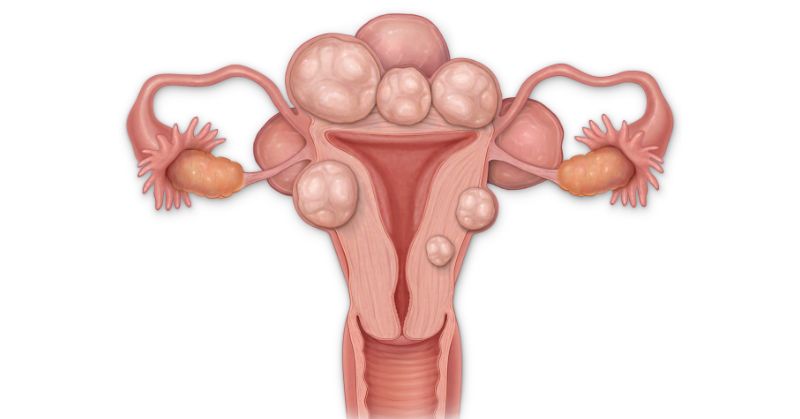
Uterine fibroids are among the most common benign gynecological conditions, affecting a large proportion of women during their reproductive years. Although fibroids are non‑cancerous, they can cause significant clinical symptoms, including heavy menstrual bleeding, pelvic pain, pressure symptoms, anemia, and fertility challenges. Conventional management strategies such as hormonal therapy and surgery remain effective, but interest in non‑hormonal and supportive approaches has increased in recent years.
In this context, EGCG (epigallocatechin gallate), the primary bioactive compound in green tea, has gained scientific attention. Research on EGCG uterine fibroids focuses on its potential to influence cellular proliferation, oxidative stress, inflammation, and hormone‑related signaling pathways.
This article provides a comprehensive, evidence‑based overview of EGCG uterine fibroids, green tea extract uterine fibroids, and vitamin D uterine fibroids, with the aim of offering one of the most complete scientific resources currently available on this topic.
Read More: Uterine Fibroids
Understanding Uterine Fibroids: Biological and Hormonal Background
Uterine fibroids, also known as leiomyomas, originate from smooth muscle cells of the uterine wall. Their development is driven by a complex interaction between genetic predisposition, hormonal stimulation, and local tissue factors.
Role of Estrogen and Progesterone
Estrogen and progesterone promote fibroid growth by stimulating cell proliferation and increasing extracellular matrix production. Fibroids often grow during reproductive years and tend to regress after menopause, highlighting their hormone‑responsive nature.
Beyond Hormones: Additional Pathophysiological Factors
Fibroid growth is also associated with:
- Increased oxidative stress within uterine tissue
- Chronic low‑grade inflammation
- Altered growth factor signaling
- Dysregulation of cell cycle and apoptosis
These mechanisms help explain why fibroids may progress even without overt hormonal imbalance and why non‑hormonal agents such as EGCG are of scientific interest.
What Is EGCG and Why Is It Relevant to Uterine Fibroids?
EGCG is a naturally occurring polyphenol belonging to the catechin family and is most abundantly found in green tea. It has been extensively studied for its antioxidant, anti‑inflammatory, and anti‑proliferative properties across a range of chronic conditions.
In studies investigating EGCG uterine fibroids, EGCG has demonstrated the ability to influence multiple biological pathways involved in fibroid development.
Key Biological Properties of EGCG
EGCG has been shown to:
- Inhibit abnormal proliferation of fibroid cells
- Promote apoptosis selectively in fibroid tissue
- Reduce oxidative stress that contributes to fibroid growth
- Modulate signaling pathways related to estrogen responsiveness
These effects suggest that EGCG may target core mechanisms of fibroid pathophysiology without directly altering systemic hormone levels.
Green Tea Extract and Uterine Fibroids: Scientific Evidence
Laboratory and Preclinical Studies
In vitro and animal studies consistently demonstrate that EGCG:
- Suppresses leiomyoma cell proliferation
- Induces programmed cell death in fibroid cells
- Reduces inflammatory markers and oxidative damage
- Shows greater selectivity for fibroid cells compared with normal uterine muscle cells
These findings support a targeted biological effect rather than generalized toxicity.
Clinical Studies in Humans
Small clinical trials evaluating green tea extract uterine, also known as leiomyomas, originate from smooth muscle cells of the uterine wall. Their development is driven by a complex interaction between genetic predisposition, hormonal stimulation, and local tissue factors.
Role of Estrogen and Progesterone
Estrogen and progesterone promote fibroid growth by stimulating cell proliferation and increasing extracellular matrix production. Fibroids often grow during reproductive years and tend to regress after menopause, highlighting their hormone‑responsive nature.
Beyond Hormones: Additional Pathophysiological Factors
Fibroid growth is also associated with:
- Increased oxidative stress within uterine tissue
- Chronic low‑grade inflammation
- Altered growth factor signaling
- Dysregulation of cell cycle and apoptosis
These mechanisms help explain why fibroids may progress even without overt hormonal imbalance and why non‑hormonal agents such as EGCG are of scientific interest.
What Is EGCG and Why Is It Relevant to Uterine Fibroids?
EGCG is a naturally occurring polyphenol belonging to the catechin family and is most abundantly found in green tea. It has been extensively studied for its antioxidant, anti‑inflammatory, and anti‑proliferative properties across a range of chronic conditions.
In studies investigating EGCG uterine fibroids, EGCG has demonstrated the ability to influence multiple biological pathways involved in fibroid development.
Key Biological Properties of EGCG
EGCG has been shown to:
- Inhibit abnormal proliferation of fibroid cells
- Promote apoptosis selectively in fibroid tissue
- Reduce oxidative stress that contributes to fibroid growth
- Modulate signaling pathways related to estrogen responsiveness
These effects suggest that EGCG may target core mechanisms of fibroid pathophysiology without directly altering systemic hormone levels.
Read more: estrogen metabolism uterine fibroids
Green Tea Extract and Uterine Fibroids: Scientific Evidence
Green tea extract is a concentrated source of EGCG and is commonly used in research to ensure standardized dosing.
Laboratory and Preclinical Studies
In vitro and animal studies consistently demonstrate that EGCG:
- Suppresses leiomyoma cell proliferation
- Induces programmed cell death in fibroid cells
- Reduces inflammatory markers and oxidative damage
- Shows greater selectivity for fibroid cells compared with normal uterine muscle cells
These findings support a targeted biological effect rather than generalized toxicity.
Clinical Studies in Humans
Small clinical trials evaluating green tea extract uterine fibroids have reported:
- Reduction in fibroid volume in some participants
- Improvement in heavy menstrual bleeding
- Decreased pelvic pain and pressure symptoms
- Improved quality‑of‑life scores
Although encouraging, these studies are limited by sample size and duration, and green tea extract should currently be viewed as a supportive rather than primary therapy.
EGCG Uterine Fibroids: Mechanisms of Action
The potential effects of EGCG uterine fibroids can be understood through several interconnected mechanisms.
Regulation of Cell Proliferation
EGCG interferes with signaling pathways that drive uncontrolled fibroid cell division, slowing the rate of fibroid growth.
Induction of Apoptosis
EGCG activates programmed cell death in fibroid cells, helping limit fibroid expansion without damaging surrounding healthy tissue.
Reduction of Oxidative Stress
By neutralizing reactive oxygen species, EGCG reduces oxidative damage that contributes to fibroid progression and tissue remodeling.
Modulation of Hormone‑Related Signaling
EGCG may influence downstream estrogen and progesterone signaling without directly suppressing hormone production, which is particularly relevant for patients seeking non‑hormonal options.
Vitamin D and Uterine Fibroids
Vitamin D functions as a hormone involved in immune regulation, gene expression, and cellular differentiation. Increasing attention has been directed toward vitamin D uterine fibroids following observations of widespread deficiency among affected women.
Epidemiological Associations
Research suggests that:
- Women with lower vitamin D levels have a higher risk of developing fibroids
- Vitamin D deficiency may be associated with larger fibroid size
- Populations at increased fibroid risk often have lower average vitamin D levels
Biological Effects Relevant to Fibroids
Vitamin D may:
- Inhibit fibroid cell proliferation
- Reduce inflammatory signaling
- Downregulate hormone receptor expression involved in fibroid growth
Correcting vitamin D deficiency may therefore help stabilize fibroid progression in some patients.
Combining EGCG and Vitamin D in Fibroid Management
EGCG and vitamin D act through complementary biological pathways. EGCG primarily targets oxidative stress, inflammation, and cell cycle regulation, while vitamin D influences gene expression and immune balance.
An Integrative Supportive Strategy
A combined approach may include:
- Testing and optimizing vitamin D levels
- Using standardized green tea extract formulations containing EGCG
- Monitoring fibroid size and symptoms under medical supervision
This strategy should be individualized and considered adjunctive to conventional medical care.
Safety, Dosing, and Practical Considerations
Although both compounds are naturally derived, careful use is essential.
EGCG and Green Tea Extract Safety
- High‑dose extracts may cause gastrointestinal discomfort
- Rare cases of liver toxicity have been reported with excessive intake
- Caffeine content varies between products and may affect sensitivity
Vitamin D Safety
- Excessive supplementation may lead to elevated calcium levels
- Blood testing is recommended before high‑dose use
Patients with liver disease, kidney disease, pregnancy, or those taking long‑term medications should consult healthcare professionals before supplementation.
Pharmington and Evidence‑Based Fibroid Support
Pharmington is a UK‑based healthcare company dedicated to translating scientific research into practical, evidence‑based solutions for women’s health. In the context of uterine fibroids, Pharmington evaluates emerging data on EGCG uterine fibroids and vitamin D uterine fibroids to support responsible, patient‑focused innovation.
The goal is to complement standard medical care through science‑driven development and clinical collaboration.
When Medical Evaluation Is Essential
Supplement‑based strategies should never delay appropriate diagnosis or treatment. Medical evaluation is essential if symptoms include:
- Heavy or prolonged menstrual bleeding
- Persistent pelvic pain or pressure
- Anemia or unexplained fatigue
- Fertility difficulties
Personalized care remains the safest and most effective approach.
Conclusion
Current evidence suggests that EGCG uterine fibroids represents a promising area of non‑hormonal research. Through its antioxidant, anti‑inflammatory, and anti‑proliferative effects, EGCG—particularly when delivered as green tea extract—may help modulate fibroid growth and symptoms. Alongside vitamin D optimization, these strategies offer supportive options within a comprehensive fibroid management plan.
Frequently Asked Questions
1. Can EGCG cure uterine fibroids?
No, EGCG does not cure fibroids, but studies suggest it may help reduce growth and improve symptoms as an adjunct therapy.
2. Is green tea extract more effective than drinking green tea?
Green tea extract provides standardized and higher EGCG doses than regular tea, which is why it is used in most clinical studies.
3. Why is vitamin D important in uterine fibroids?
Low vitamin D levels are linked to higher fibroid risk and severity, and correcting deficiency may help stabilize fibroid growth.
4. Can EGCG and vitamin D be used together?
Yes, they may be combined as supportive therapy, but medical guidance is recommended to ensure safe dosing and monitoring.