
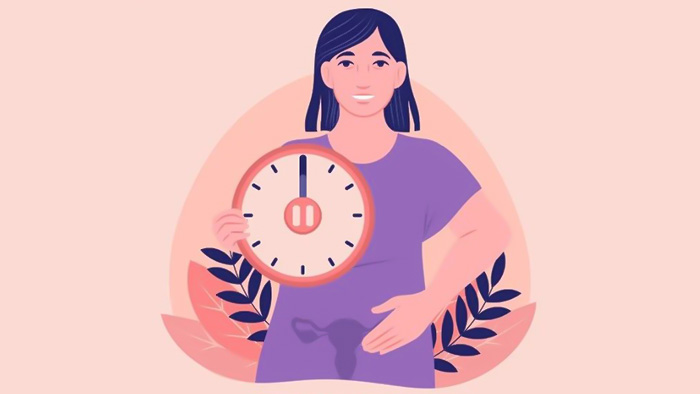
Menopause is one of the most significant biological transitions in a woman’s life, marking the end of the reproductive years and the beginning of a new phase of health and vitality. Despite being a natural process, the journey is often accompanied by a wide range of changes that can feel overwhelming. In 2026, the medical community and wellness industry have made great strides in demystifying this process. By understanding the common menopause symptoms that can arise, women can move from a state of uncertainty to one of proactive health management.
The transition is rarely instantaneous. It is a spectrum that spans perimenopause—the years leading up to the final period—through to menopause itself and the postmenopausal years. During this time, the body’s hormonal landscape shifts significantly. Estrogen and progesterone levels, which regulate so many bodily functions, begin to fluctuate and eventually decline. This hormonal shift is the primary driver behind most of the physical and emotional changes that women experience. Recognizing these signs early allows for better preparation and ensures that when medical support is needed, it can be sought without hesitation or delay.
Understanding the Three Phases of the Transition
To understand menopause symptoms, one must first understand the stages of the transition. Perimenopause is often the most symptomatic phase, characterized by irregular cycles and fluctuating hormones that can trigger unpredictable changes. This phase can last for several years, often starting in the mid-40s. Many women are surprised by the variety of changes during this time, often attributing their fatigue or mood shifts to stress rather than the physiological shift of menopause.
The clinical definition of menopause is reached when a woman has gone 12 consecutive months without a menstrual period. This is a point in time, not a duration. Once this milestone is passed, a woman enters the postmenopausal stage. While many people believe that symptoms vanish the moment the last period occurs, the reality is that the body continues to adjust to lower hormone levels for years. Some women experience persistent menopause symptoms long after they have officially reached menopause, which is why long-term health planning is so important.
Categorizing Common Changes
Because hormones influence everything from skin integrity to brain function, the effects of this transition are systemic. The following table provides a breakdown of how these changes manifest across different systems in the body.
| Category | Typical Manifestations | Underlying Cause |
|---|---|---|
| Vasomotor | Hot flashes, night sweats, flushing | Thermoregulatory disruption |
| Reproductive | Irregular periods, vaginal dryness | Declining estrogen production |
| Cognitive | “Brain fog,” difficulty concentrating | Neurotransmitter fluctuations |
| Emotional | Mood swings, irritability, anxiety | Hormone-brain interaction |
| Physical | Sleep disruption, weight redistribution | Metabolism and circadian shifts |
When to Seek Professional Guidance
Navigating this phase does not mean you have to endure discomfort in silence. One of the most important aspects of managing menopause symptoms is knowing when these changes require a professional medical evaluation. While many changes are considered “normal” parts of the transition, some can signal underlying issues or indicate that the hormonal shift is impacting your quality of life more than necessary.
If you find that your daily activities, work performance, or relationships are being impacted, it is time to speak with a healthcare provider. Furthermore, any unusual bleeding, specifically spotting after a full year without a period, must always be investigated by a physician. In 2026, there are more effective, evidence-based treatments than ever before—ranging from lifestyle interventions and non-hormonal therapies to hormone replacement strategies—that can help alleviate these burdens.
Decision Matrix for Seeking Medical Advice
Use this table as a guideline to assess whether the menopause symptoms you are experiencing warrant a prompt discussion with your primary care provider or a gynecologist.
| Symptom Severity | Impact on Daily Life | Recommended Action |
|---|---|---|
| Mild | Manageable, occasional | Track via journal; discuss at annual visit |
| Moderate | Frequent, causes distress | Schedule a consultation to discuss options |
| Severe | Impacts sleep, work, relationships | Seek urgent/specialized medical advice |
| Red Flags | Post-menopausal bleeding, chest pain | Immediate medical investigation |
Lifestyle Strategies for Managing the Transition
While clinical support is vital, lifestyle habits play a substantial role in how effectively you can manage your symptoms. The goal of these strategies is not necessarily to “cure” the transition, but to support the body in adapting to lower hormone levels. When your system is resilient, the intensity of menopause symptoms is often significantly reduced.
Integrating specific habits into your routine can act as a buffer, providing the physiological stability your body craves during this time. The following strategies are widely recommended for maintaining balance during the menopausal transition:
- Prioritize a nutrient-dense diet rich in phytoestrogens, calcium, and Vitamin D to support bone density and hormonal balance.
- Engage in consistent, weight-bearing exercise to mitigate muscle mass loss and support cardiovascular health.
- Implement stress-reduction techniques such as mindfulness, yoga, or deep-breathing exercises to stabilize mood swings.
- Optimize sleep hygiene by keeping your bedroom cool, reducing caffeine intake, and maintaining a consistent bedtime routine.
- Limit alcohol and spicy foods, as these are well-documented triggers that can exacerbate hot flashes and night sweats.
The Science of Hormone Decline and Cognitive Impact
A frequently overlooked aspect of this life stage is the impact on brain health. Many women report “brain fog,” which involves difficulty with word-finding, concentration, and short-term memory. This is not a sign of early dementia; rather, it is directly linked to the decline in estrogen, which interacts with receptors in the hippocampus—the area of the brain responsible for memory.
Understanding the connection between hormonal shifts and cognitive changes can be incredibly validating. It turns a source of anxiety (“Am I losing my mind?”) into a manageable physiological reality. As women manage these cognitive menopause symptoms, they often find that simple strategies like using calendars, breaking tasks into smaller steps, and prioritizing sleep make a significant difference. It is also a period where prioritizing mental stimulation and learning new skills can help maintain cognitive plasticity.

The Role of Evidence and Transparency in Support
In 2026, the market is flooded with products claiming to “cure” or “fix” menopause overnight. It is critical to remain skeptical of marketing that promises dramatic results without evidence. Effective management of menopause symptoms requires a strategy rooted in physiology, not trends. Whether you are looking at nutritional supplements, topical solutions, or medical interventions, look for evidence that the product has been tested for safety and efficacy.
Transparent brands provide information about the dosage, the active mechanisms, and the safety profile of their offerings. They do not hide behind vague promises. If a product claims to support hormonal health, it should be able to explain how. This level of rigor is especially important when you are already dealing with a body that feels “different” or “unpredictable.” Relying on high-quality, evidence-backed support ensures you aren’t adding unnecessary stressors to an already complex physiological process.
Management Timeline and Expectations
The timeline for these changes is highly individual. Some women breeze through the transition with minimal issues, while others experience a significant disruption. The table below outlines a typical timeline and what to expect regarding the progression of menopause symptoms.
| Phase | Expected Duration | Key Focus Area |
|---|---|---|
| Perimenopause | 2–8 years | Managing cycle irregularity, sleep aid |
| Menopause | 12 months after last period | Symptom monitoring, baseline health checks |
| Postmenopause | The rest of life | Long-term health (Bone/Heart/Brain) |
Read More: Uterine Fibroids
Communicating with Healthcare Providers
When you do visit your doctor to discuss menopause symptoms, preparation is key. Doctors are busy, and a structured approach helps them provide the best care. Before your appointment, keep a symptom log for two to four weeks. Note the frequency of hot flashes, the quality of your sleep, any mood changes, and—crucially—any changes in your menstrual cycle.
Ask direct questions. “What are the evidence-based options for managing these symptoms?” “How do my personal health risks—like family history of breast cancer or heart disease—influence which treatments are safe for me?” A good provider will welcome these questions. If you feel dismissed or told that “this is just a part of life you have to get through,” you have the right to seek a second opinion. You are the expert on your own body, and your quality of life matters.
The Pharmington Commitment to Your Health
At Pharmington, we believe that navigating the menopausal transition should be done with agency and information. We understand that menopause symptoms can affect every facet of a woman’s life, from her energy levels to her emotional equilibrium. That is why our approach focuses on supporting the physiological needs of the body during this shift. We encourage you to view this transition not as a decline, but as a reconfiguration—a time when your health needs become more specific and your commitment to yourself should become more steadfast.
We invite you to review our resources on women’s health, where we prioritize scientific accuracy and actionable advice. Do not wait for symptoms to become unmanageable. By being proactive, tracking your changes, and utilizing quality support, you can ensure that the postmenopausal years are some of your healthiest and most vibrant yet. Visit Pharmington to explore our evidence-based solutions tailored to support your health journey through every season of life.
Conclusion
The experience of menopause is deeply personal, yet the physiological reality of the transition is shared by millions of women. While menopause symptoms can be disruptive, they are also signals from your body asking for a shift in how you support your health. Whether it is through adjusting your lifestyle, seeking medical advice, or utilizing targeted health products, you have the power to influence your experience. Knowledge, combined with the right support, turns this transition into a manageable part of your wellness journey. Stay informed, stay proactive, and remember that you deserve to feel your best at every stage of life.
Read More: Estrogen Metabolism and Uterine Fibroids
FAQs
1. What are the most common early menopause symptoms?
The earliest signs often include changes in the regularity of your menstrual cycle, the onset of hot flashes, night sweats, and subtle shifts in sleep quality or mood.
2. Can menopause symptoms last forever?
Most acute symptoms like hot flashes and night sweats eventually subside after the body stabilizes following the menopausal transition, though some women may experience them for several years.
3. When should I definitely see a doctor about these changes?
You should consult a healthcare provider if menopause symptoms are interfering with your daily life, if you experience sudden weight changes, or if you have any bleeding after 12 months of no periods.
4. Are all menopause symptoms related to hormones?
While hormonal fluctuations are the primary driver, other factors like stress, diet, underlying health conditions, and natural aging also contribute to the physical and emotional changes experienced during this time.
5. Is it normal to feel “brain fog” during this time?
Yes, cognitive changes including difficulty concentrating and memory lapses are commonly reported as hormonal levels fluctuate, particularly during the perimenopause and menopause transition phases.
6. How can I prepare for this life stage before it starts?
You can prepare by establishing a baseline of good health through consistent exercise, a nutrient-dense diet, and stress management, and by familiarizing yourself with your family’s medical history.
7. Do I need hormone therapy to manage my symptoms?
Not necessarily. While hormone therapy is one effective option, many women successfully manage mild-to-moderate menopause symptoms through lifestyle modifications, non-hormonal supplements, and behavioral therapies, depending on their individual health risks.