

Maintaining good vaginal health is not about using more products, following complicated routines, or trying to make the body feel artificially “fresh.” In fact, one of the most important lessons from modern women’s health research is that the vaginal environment is naturally self-regulating. When it is supported with gentle daily habits, balanced hygiene, and timely medical care when needed, it can usually maintain its own protection, moisture, and microbial balance.
In 2026, women are more informed than ever, yet the market is still filled with confusing messages. Many intimate care products promise quick solutions, stronger cleanliness, or long-lasting fragrance. However, these claims can sometimes lead women toward habits that irritate sensitive tissue, disturb the vaginal microbiome, or increase the risk of recurring discomfort. The most effective approach is often simpler: respect the body’s biology, avoid unnecessary disruption, and learn which changes are normal and which require professional attention.
This guide explains the everyday habits that help maintain vaginal health, including hygiene, clothing, diet, hydration, sexual wellness, product selection, and warning signs that should not be ignored. It is written for women who want clear, evidence-based, practical guidance without fear-based advice or exaggerated claims.
Understanding Vaginal Health in 2026
Vaginal health refers to the balanced function of the vaginal ecosystem, including its pH level, microbiome, natural discharge, tissue integrity, moisture, and resistance to infection. A healthy vaginal environment is not odorless, dry, or sterile. It has a natural scent, produces discharge, and contains beneficial bacteria that help protect against harmful organisms.
The vagina is lined with mucosal tissue that responds to hormones, immune activity, hydration, sexual activity, menstrual changes, pregnancy, menopause, medications, and lifestyle factors. This means that changes in comfort, moisture, or discharge are not always signs of disease. However, persistent itching, burning, strong odor, pain, abnormal bleeding, or unusual discharge should be evaluated.
The Role of the Vaginal Microbiome
The vaginal microbiome is one of the most important factors in maintaining vaginal health. In many healthy women, beneficial bacteria known as Lactobacillus species help produce lactic acid. This keeps the vaginal pH naturally acidic, usually around 3.8 to 4.5 in reproductive-age women.
This acidic environment makes it harder for harmful bacteria and yeast to overgrow. When the microbiome is disrupted, the pH may rise, allowing conditions such as bacterial vaginosis or yeast infections to develop more easily. Disruption can happen because of antibiotics, hormonal changes, douching, harsh soaps, semen exposure, menstrual blood, stress, uncontrolled blood sugar, or frequent use of fragranced products.
Why “More Cleaning” Is Not Better
A common misunderstanding is that stronger cleansing improves intimate wellness. In reality, excessive cleaning can damage the natural protective system. The internal vaginal canal cleans itself through normal discharge and cellular renewal. Washing inside the vagina, especially with soap, antiseptic solutions, or scented products, can remove protective bacteria and irritate sensitive tissue.
Daily care should focus on the external vulvar area only. The vulva includes the outer intimate skin, while the vagina refers to the internal canal. Understanding this difference is essential because many hygiene mistakes happen when products meant for external use are applied internally.
Normal Changes Versus Signs of Imbalance
A key part of protecting vaginal health is knowing what is normal. Vaginal discharge can vary throughout the menstrual cycle. It may become clearer and stretchier around ovulation, thicker before menstruation, or slightly different after sexual activity. Mild natural odor is also normal and can change with sweat, diet, hormones, or exercise.
However, not every change should be ignored. Some symptoms may indicate infection, inflammation, allergic reaction, hormonal deficiency, or another medical condition. The goal is not to self-diagnose every symptom but to recognize when professional guidance is appropriate.
Common Factors That Influence Balance
Several everyday factors can influence the vaginal environment. Tight clothing can trap moisture and heat. Fragranced products can irritate vulvar skin. Antibiotics can reduce beneficial bacteria. Hormonal changes during perimenopause, menopause, postpartum recovery, or breastfeeding can reduce estrogen levels and lead to dryness or discomfort.
Stress and poor sleep can also affect immunity and inflammation. Diet, hydration, and blood sugar control may influence yeast overgrowth risk in susceptible individuals. For this reason, vaginal health should be seen as part of whole-body wellness rather than an isolated issue.
Everyday Hygiene Habits That Support Balance
Gentle hygiene is one of the strongest foundations of vaginal health. The best routine is consistent, simple, and non-irritating. Overly aggressive hygiene can create more problems than it solves.
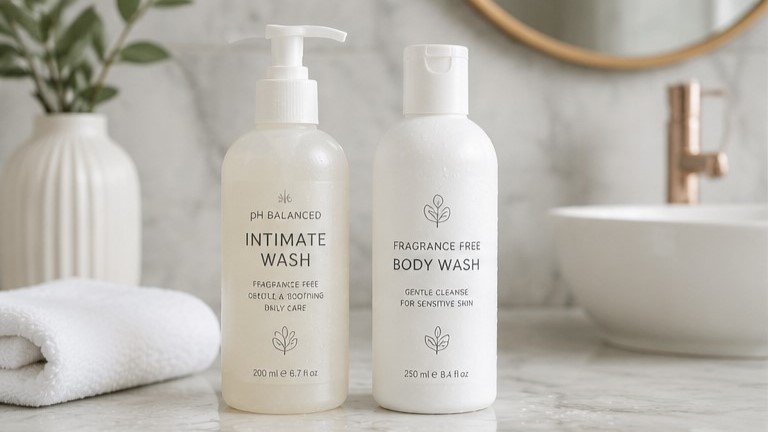
For daily cleansing, warm water is usually enough for the external vulvar area. If a cleanser is used, it should be mild, fragrance-free, non-irritating, and suitable for sensitive intimate skin. Avoid scrubbing, exfoliating, or using rough washcloths on delicate tissue. After washing, the area should be dried gently with a clean towel rather than rubbed.
Douching should be avoided. Internal cleansing products can disturb pH and microbiome balance. Similarly, scented sprays, vaginal deodorants, perfumed wipes, and fragranced pads may increase irritation or allergic reactions. Products that create a temporary feeling of freshness may still weaken the natural barrier over time.
Practical Daily Hygiene Rules
The following habits can help support comfort and reduce unnecessary irritation:
- Clean only the external vulvar area with warm water or a mild fragrance-free cleanser.
- Avoid douching, internal washes, scented sprays, and perfumed intimate deodorants.
- Change out of sweaty workout clothes or wet swimwear as soon as possible.
- Wipe from front to back after using the toilet to reduce bacterial transfer.
- Choose unscented menstrual products if you are prone to irritation.
- Avoid using antibacterial soaps or antiseptic products unless prescribed by a clinician.
- Dry the area gently after bathing instead of rubbing aggressively.
- Replace products that cause itching, burning, redness, or discomfort.
Read More: Estrogen Metabolism and Uterine Fibroids
Clothing, Moisture, and Daily Comfort
Clothing choices can have a direct effect on vaginal health because the vulvar area is sensitive to moisture, heat, friction, and reduced airflow. Tight synthetic underwear, leggings, or shapewear can trap sweat and increase humidity. This does not automatically cause infection, but it may create conditions that make irritation or yeast overgrowth more likely in some women.
Breathable cotton underwear is often recommended for daily wear because it allows better airflow and moisture control. Synthetic fabrics may be acceptable for short periods, especially during sports, but they should not remain damp against the skin for long. After exercise, showering and changing into dry clothing can help reduce friction and irritation.
Managing Friction and Sensitivity
Friction can trigger burning, redness, or discomfort, especially during hot weather, long workouts, cycling, or sexual activity. Women with sensitive skin, hormonal dryness, or recurrent irritation may benefit from looser clothing and careful product selection.
Laundry habits matter as well. Strongly scented detergents, fabric softeners, and dryer sheets can leave residues on underwear that irritate vulvar tissue. Switching to fragrance-free detergent may help if symptoms appear after changing laundry products.

Diet, Hydration, and the Gut-Vagina Connection
While no single food can guarantee perfect vaginal health, nutrition plays an important supporting role. The immune system, mucosal tissue, hormone metabolism, and microbiome all depend on adequate nutrients.
Hydration helps maintain mucosal moisture and supports urinary tract function. Dehydration may contribute to dryness or concentrated urine, which can irritate sensitive tissue during urination. A balanced diet rich in vegetables, fruits, whole grains, lean proteins, healthy fats, and fermented foods may support general microbial diversity and immune resilience.
The gut and vaginal microbiomes are connected through immune and microbial pathways. This does not mean every woman needs probiotic supplements, but it does suggest that digestive health can influence intimate wellness. For women with recurrent infections, a healthcare provider may evaluate whether targeted probiotics, blood sugar management, or other interventions are appropriate.
Sugar Intake and Yeast Susceptibility
High sugar intake does not automatically cause yeast infections in every woman. However, women with uncontrolled diabetes, insulin resistance, or frequent yeast recurrence may be more vulnerable. Elevated glucose levels can support yeast growth and weaken immune balance. In these cases, improving metabolic health may become an important part of maintaining vaginal health.
Sexual Wellness and Vaginal Balance
Sexual activity can influence vaginal health through friction, semen exposure, lubricants, condoms, and changes in pH. This does not mean sex is harmful; it means the body may respond to different exposures in different ways.
Using appropriate lubrication can reduce micro-tears and discomfort, especially during periods of dryness, postpartum recovery, breastfeeding, perimenopause, menopause, or stress. Water-based lubricants are widely used and compatible with most condoms and sex toys, while silicone-based lubricants may last longer but may not be compatible with all silicone devices. Products should ideally be fragrance-free, non-irritating, and designed for intimate use.
Urinating after sex may help reduce urinary tract infection risk in some women by helping flush bacteria from the urethral area. It does not directly clean the vagina, but it can support urinary comfort.
Condom and Product Sensitivities
Some women experience irritation from latex condoms, spermicides, flavored products, warming lubricants, or fragranced intimate items. If symptoms repeatedly occur after using a specific product, discontinuing it and choosing a gentler alternative may be helpful. Persistent symptoms should be assessed by a clinician to rule out infection or dermatological conditions.
Hormonal Changes Across Life Stages
Hormones strongly influence vaginal tissue, moisture, elasticity, and microbial balance. Estrogen helps maintain thick, flexible vaginal tissue and supports glycogen availability, which beneficial bacteria use to produce lactic acid. When estrogen levels change, vaginal health can also change.
During puberty, the vaginal environment matures gradually. During the menstrual cycle, discharge and moisture may shift. Pregnancy can increase discharge because of hormonal and blood flow changes. After childbirth and during breastfeeding, lower estrogen may contribute to dryness or discomfort. During perimenopause and menopause, estrogen decline can lead to vaginal dryness, burning, painful intercourse, urinary urgency, or recurrent urinary symptoms.
These changes are common, but they are not something women must simply tolerate. Medical options, moisturizers, lubricants, and hormone-based treatments may be considered depending on symptoms, medical history, and professional evaluation.
Product Selection: What to Choose and What to Avoid
The intimate care market has expanded significantly, but not all products are equally useful. A product should support vaginal health without disturbing pH, irritating tissue, or masking symptoms that require medical attention.
Women should be cautious with products that promise to eliminate all odor, aggressively cleanse the vagina, or create a strong perfume effect. A natural mild scent is normal. Trying to erase it may lead to overuse of products that damage the skin barrier.
The table below summarizes common product categories and how to approach them safely.
| Product Category | Better Choice | What to Avoid | Why It Matters |
|---|---|---|---|
| Daily cleanser | Mild, fragrance-free external wash or warm water | Harsh soap, antibacterial wash, internal cleanser | Helps protect pH and skin barrier |
| Menstrual products | Unscented pads, tampons, cups, or period underwear | Fragranced pads or deodorized tampons | Reduces irritation risk |
| Lubricants | Water-based or silicone-based, fragrance-free formulas | Warming, flavored, or scented lubricants if sensitive | Reduces friction without unnecessary irritants |
| Underwear care | Fragrance-free detergent | Strong perfumes, fabric softeners, dryer sheets | Limits residue-related irritation |
| Odor control | Medical evaluation if odor is strong or persistent | Deodorant sprays or masking perfumes | Odor may signal imbalance or infection |
| Moisture support | Clinically appropriate vaginal moisturizers | Random oils or untested DIY remedies | Supports tissue comfort more safely |
Medical Conditions That Can Affect Vaginal Health
Several common conditions can disturb comfort and balance. Bacterial vaginosis often causes thin discharge and a fishy odor, especially after sex or menstruation. Yeast infections commonly cause itching, redness, burning, and thick white discharge, though symptoms can vary. Sexually transmitted infections may cause discharge, pain, bleeding, odor, or no symptoms at all.
Vulvar dermatitis can mimic infection. It may be triggered by soaps, detergents, pads, wipes, lubricants, or tight clothing. Genitourinary syndrome of menopause can cause dryness, pain, urinary symptoms, and recurring irritation due to estrogen decline.
Because symptoms overlap, self-diagnosis is not always reliable. Treating presumed yeast repeatedly without testing may delay proper care for bacterial vaginosis, dermatitis, sexually transmitted infections, or hormonal tissue changes.
When Self-Care Is Not Enough
Everyday habits are useful, but they cannot replace diagnosis. If symptoms are new, severe, recurrent, or persistent, a healthcare professional can perform an examination, pH assessment, microscopy, culture, or STI testing when needed. Accurate diagnosis leads to more effective treatment and helps prevent complications.

Signs You Should Discuss With a Healthcare Professional
Some symptoms should be evaluated rather than managed only with home care:
- Strong, fishy, unpleasant, or persistent odor.
- Green, yellow, gray, frothy, or unusually thick discharge.
- Severe itching, swelling, burning, or pain.
- Bleeding after sex or bleeding unrelated to your normal cycle.
- Pelvic pain, fever, or lower abdominal discomfort.
- Recurrent symptoms that return after treatment.
- Pain during intercourse that does not improve with lubrication.
- New symptoms after a new sexual partner or possible STI exposure.
Common Myths About Vaginal Health
One common myth is that a healthy vagina should have no smell. In reality, a mild natural scent is normal. Another myth is that douching is necessary after menstruation or sex. The vagina cleans itself, and douching may increase the risk of imbalance.
Some people believe all discharge is abnormal. This is false. Discharge is part of normal self-cleaning and changes throughout the cycle. Others assume itching always means yeast infection, but itching can also result from dermatitis, bacterial vaginosis, STIs, dryness, or allergic reactions.
A final myth is that intimate discomfort is inevitable with aging. While hormonal changes are common, many symptoms can be improved with appropriate care. Women should not feel forced to accept persistent pain, dryness, or irritation as normal.
A 2026 Approach to Preventive Intimate Wellness
The modern approach to vaginal health is preventive, evidence-based, and personalized. It avoids both neglect and over-treatment. Women should feel comfortable discussing intimate symptoms with clinicians and should not rely only on social media trends, DIY remedies, or heavily fragranced products.
Preventive care includes routine gynecological checkups, cervical screening according to local medical guidelines, STI testing when appropriate, and open discussion about pain, dryness, discharge, or sexual discomfort. It also includes understanding personal triggers. For one woman, the trigger may be scented pads. For another, it may be antibiotics, tight workout clothing, uncontrolled blood sugar, or hormonal transition.
Tracking symptoms can be useful. Noting when symptoms occur, what products were used, where you are in your cycle, and whether sexual activity or medications were involved can help clinicians identify patterns.
Conclusion
Maintaining vaginal health is best achieved through simple, consistent, evidence-based habits rather than aggressive cleansing or unnecessary products. The vaginal environment is naturally designed to protect itself through beneficial bacteria, acidic pH, normal discharge, and mucosal immunity. Daily choices such as gentle external washing, breathable clothing, adequate hydration, careful product selection, safer sexual practices, and timely medical consultation can help preserve comfort and balance.
If you experience persistent odor, unusual discharge, itching, burning, pain, bleeding, or recurring symptoms, professional evaluation is the safest next step. For women seeking reliable education and science-focused intimate wellness support, Pharmington provides expert-led guidance and carefully developed women’s health solutions designed to support informed, confident care.
FAQs
1. What is the best daily routine for vaginal health?
The best daily routine is simple: cleanse only the external vulvar area with warm water or a mild fragrance-free cleanser, avoid douching, wear breathable underwear, and change out of damp clothing quickly. The internal vagina does not need washing because it cleans itself naturally.
2. Is vaginal discharge normal?
Yes. Vaginal discharge is usually normal and helps remove old cells, maintain moisture, and support natural cleansing. It can change during the menstrual cycle. However, discharge that is green, yellow, gray, frothy, strongly odorous, or associated with pain or itching should be checked by a healthcare professional.
3. Can scented products harm vaginal health?
Yes, they can. Scented wipes, sprays, pads, tampons, soaps, and deodorants may irritate sensitive tissue and disrupt the vaginal microbiome. Women with recurring irritation should choose fragrance-free products and avoid unnecessary intimate perfumes.
4. Does diet affect vaginal health?
Diet can support general immune function, metabolic balance, and microbiome diversity. A nutrient-rich diet, adequate hydration, and stable blood sugar may help reduce susceptibility to irritation or recurring infections in some women. However, diet alone cannot treat confirmed infections.
5. Are probiotics necessary for vaginal health?
Not always. Some women may benefit from targeted probiotics, especially if they experience recurrent imbalance, but probiotics should be chosen carefully. It is best to discuss repeated symptoms with a healthcare provider before relying on supplements.
6. Why does vaginal dryness happen?
Vaginal dryness may occur because of hormonal changes, stress, breastfeeding, menopause, certain medications, insufficient arousal, dehydration, or irritation. Persistent dryness or pain during intercourse should be evaluated because effective treatment options are available.
Read More: Uterine Fibroids