
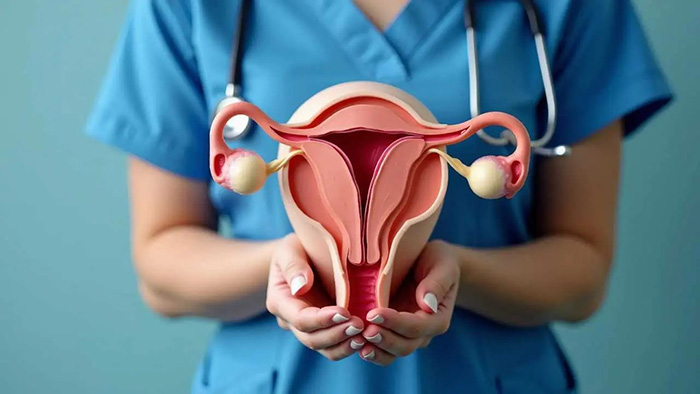
Uterine health refers to the overall well‑being, structure, and proper function of the uterus throughout different stages of a woman’s life. A healthy uterus plays a central role not only in menstruation and fertility, but also in hormonal balance, pelvic health, and overall quality of life. Understanding uterine health allows women to recognize early changes, support normal uterine function, and make informed decisions about their reproductive well‑being.
Unlike condition‑specific topics, uterine health focuses on prevention, awareness, and long‑term balance rather than treatment of a single disease. This broader perspective is essential, as many uterine conditions develop gradually and share common underlying factors such as hormonal imbalance, inflammation, and oxidative stress.
Read more: non hormonal fibroid treatment
Women who want to support long‑term uterine well‑being often look beyond symptom management and focus on evidence‑based, non‑hormonal approaches. Pharmington Ltd develops science‑driven women’s health formulations designed to support normal uterine function as part of a comprehensive wellness strategy.
Learn more about Pharmington’s research‑focused approach to uterine support in pharmington ltd.
What Is Uterine Health?
Uterine health describes the ability of the uterus to function normally in response to hormonal signals, maintain healthy tissue structure, and support the menstrual cycle without disruptive symptoms. A healthy uterus adapts dynamically to monthly hormonal fluctuations, sheds its lining efficiently during menstruation, and maintains proper blood flow and muscular tone.
Importantly, uterus health is not defined by the absence of disease alone. Many women may not have a diagnosed condition yet still experience signs of suboptimal uterine function, such as irregular cycles, discomfort, or excessive bleeding. Focusing on uterus health allows for early recognition of imbalance before more complex issues develop.
Why Uterine Health Is Essential for Women’s Overall Well‑Being
The uterus does not function in isolation. It is closely connected to the endocrine system, immune system, and pelvic structures. When uterus health is compromised, the effects may extend beyond reproductive symptoms and influence energy levels, emotional well‑being, and daily comfort.
Chronic uterine stress can contribute to pelvic pain, fatigue, and anemia caused by heavy menstrual bleeding. Over time, these issues can affect productivity, mental health, and quality of life. Maintaining uterine health is therefore a key component of holistic women’s health, not merely a reproductive concern.
Core Functions of the Uterus
The uterus performs several critical biological functions. It responds to estrogen and progesterone throughout the menstrual cycle, builds and sheds the endometrial lining, and coordinates muscular contractions during menstruation. These processes require precise hormonal signaling and healthy uterine tissue.
In addition, the uterus plays a role in immune defense within the reproductive tract. Proper uterus health supports a balanced local immune response, which helps protect against infection while maintaining tolerance to natural physiological changes.
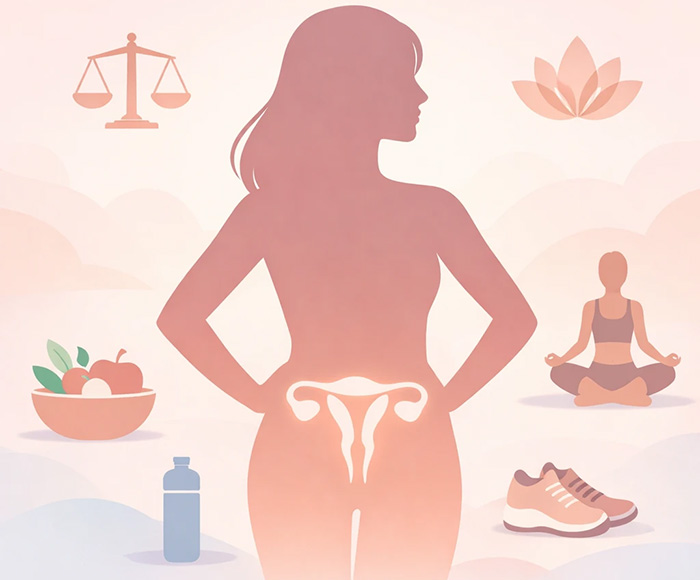
Signs and Symptoms That May Indicate Poor uterus health
Changes in uterine health often present subtly at first. Common signs include irregular menstrual cycles, unusually heavy or prolonged bleeding, pelvic pressure, or persistent discomfort during menstruation. Some women may also notice spotting between periods or increased pain that was not previously present.
These symptoms do not necessarily indicate a specific diagnosis, but they signal that uterine balance may be disrupted. Early attention to such signs is an important part of preserving long‑term uterus health .
Factors That Influence uterus health
Uterine health is influenced by a combination of internal and external factors. Hormonal balance plays a central role, as estrogen and progesterone regulate nearly all uterine processes. Disruptions in hormone metabolism can affect tissue growth, blood flow, and cycle regularity.
Inflammation and oxidative stress are additional contributors. Chronic low‑grade inflammation may alter uterine tissue responses over time, while oxidative stress can impact cellular function within the uterus. Lifestyle factors such as diet, stress levels, sleep quality, and physical activity also influence these biological pathways.
The Role of Hormones in Uterine Health
Estrogen and progesterone work together to maintain uterine structure and function. Estrogen stimulates growth of the uterine lining, while progesterone stabilizes and prepares it for shedding or pregnancy. Balanced hormone signaling is essential for predictable, healthy cycles.
When hormone metabolism becomes inefficient, estrogen dominance or progesterone insufficiency may occur, potentially affecting uterus health. Understanding this hormonal interplay is fundamental to recognizing why many uterine issues share common underlying mechanisms.
uterus health Across Different Life Stages
Uterine health needs evolve throughout a woman’s life. During adolescence, the uterus adapts to new hormonal rhythms, and irregular cycles are common. In reproductive years, uterus health is closely tied to fertility, cycle regularity, and hormonal balance.
As women approach perimenopause and menopause, hormonal fluctuations may again influence uterine tissue and menstrual patterns. Supporting uterus health during these transitions focuses on monitoring changes, managing symptoms, and maintaining tissue resilience rather than achieving a specific reproductive outcome.
Lifestyle and Daily Habits That Support Uterine Health
Healthy daily habits can positively influence uterus health over time. Regular physical activity supports circulation and hormonal regulation, while adequate sleep helps maintain endocrine balance. Managing chronic stress is particularly important, as stress hormones can interfere with reproductive hormone signaling.
Nutrition also plays a supportive role. A balanced diet that supports metabolic health and reduces oxidative stress can indirectly benefit uterine function. These foundational habits form the baseline for long‑term uterine wellness.
Maintaining Uterine Health Naturally
Natural support for uterus health focuses on promoting balance rather than targeting a single condition. This may include lifestyle adjustments, stress reduction strategies, and attention to overall metabolic health. Non‑hormonal supportive approaches are often explored as part of a broader uterine wellness strategy.
Such approaches are not intended to replace medical evaluation or treatment, but rather to support the body’s natural regulatory systems. For women seeking long‑term uterus health, consistency and awareness are more important than short‑term interventions.
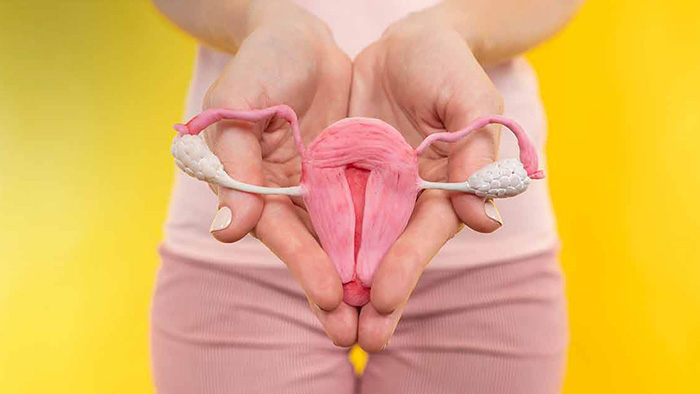
The Connection Between uterus health and Common Uterine Conditions
Many common uterine conditions develop in the context of reduced uterine health over time. While each condition has distinct characteristics, they often share overlapping factors such as hormonal imbalance, altered tissue response, and inflammation.
Understanding uterus health as a foundation helps contextualize why conditions like uterine fibroids occur and why prevention and early management strategies are important. For condition‑specific information, more detailed scientific discussions are addressed in dedicated resources.
When to Seek Medical Evaluation for Uterine Health Concerns
While awareness and prevention are valuable, medical evaluation is essential when symptoms persist or worsen. Heavy bleeding, severe pain, or sudden changes in cycle patterns should be assessed by a qualified healthcare provider.
The goal of focusing on uterus health is not self‑diagnosis, but informed decision‑making. Early evaluation supports timely intervention and helps preserve uterine function over the long term.
Uterine Health as Part of a Preventive Health Strategy
Viewing uterus health through a preventive lens empowers women to engage proactively with their reproductive well‑being. Regular monitoring of menstrual patterns, understanding normal versus abnormal changes, and maintaining healthy habits all contribute to long‑term uterine resilience.
Rather than reacting to symptoms only when they become disruptive, a uterus health‑centered approach emphasizes early awareness, education, and supportive care.
Read more: EGCG uterine fibroids
How Uterine Health Fits Into a Broader Women’s Health Framework
Uterine health is one component of overall female reproductive health, interconnected with ovarian function, hormonal regulation, and metabolic balance. Addressing uterine wellness supports a more comprehensive understanding of women’s health across the lifespan.
By integrating education, lifestyle awareness, and appropriate medical guidance, uterus health becomes a foundational pillar rather than an isolated concern.
Final Thoughts on uterus health
Uterine health is not defined by a single symptom or diagnosis. It represents the ongoing balance, function, and resilience of the uterus in response to hormonal, metabolic, and lifestyle influences. By focusing on education, prevention, and early awareness, women can better support their uterine well‑being throughout life.
A comprehensive understanding of uterus health provides the context needed to explore more specialized topics and empowers informed, proactive healthcare decisions.
Supporting uterine health is a long‑term process that combines awareness, lifestyle choices, and high‑quality supportive care. For women seeking non‑hormonal uterine support grounded in scientific research and strict quality standards, Pharmington Ltd offers solutions aligned with a preventive women’s health approach.
FAQ
1. What does uterine health mean?
Uterus health refers to the normal structure and function of the uterus, including balanced hormonal response, healthy tissue, and regular menstrual cycles throughout different life stages.
2. What are common signs of poor Uterus health?
Irregular periods, heavy menstrual bleeding, pelvic discomfort, or persistent pain may indicate reduced uterine health and should be evaluated by a healthcare professional.
3. Can uterine health be supported without hormones?
Yes, uterine health can be supported through lifestyle habits, stress management, and non‑hormonal supportive approaches alongside proper medical guidance.
4. Why is uterine health important beyond fertility?
Uterine health affects hormonal balance, pelvic comfort, and overall well‑being, not just fertility or pregnancy outcomes.